
You Don’t Want to Live Forever
TL;DR
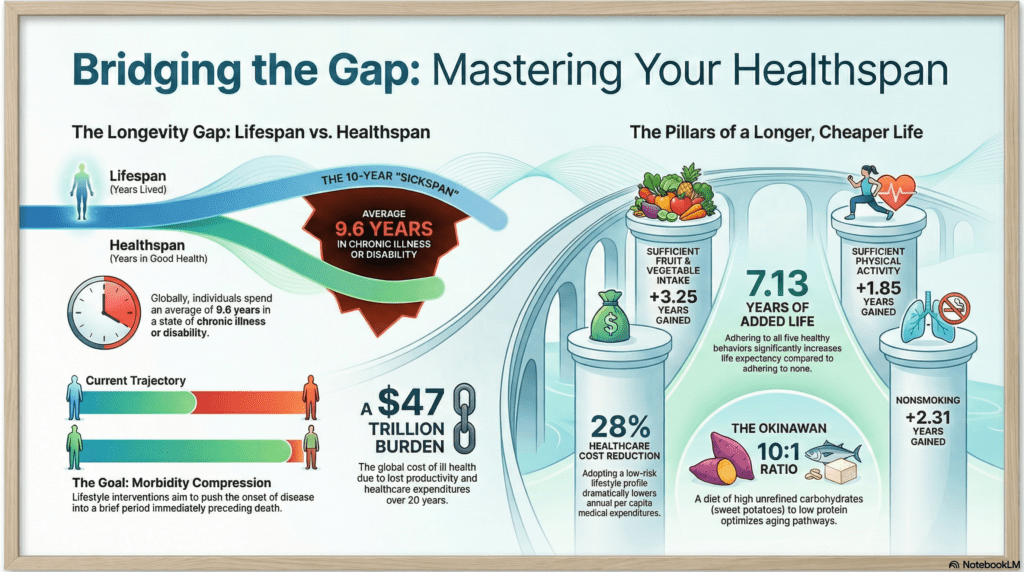
Longevity is increasingly defined as “exceptional aging”—the achievement of advanced age while maintaining robust physical and cognitive function. While modern advancements have nearly doubled the human lifespan, healthspan (years lived free of disease) has not kept pace, resulting in a global gap of 9–10 years characterized by functional decline. The goal of longevity science is morbidity compression, which "steepens" the survival curve to ensure individuals remain healthy for as long as possible, restricting illness to a brief window at the very end of life.
Longevity has become the health world’s newest obsession: peptide stacks, age-reversal tech, NAD+ infusions, and “biological age” tests promising to turn back the clock. The idea is simple: outsmart aging. But here’s the thing: longevity isn’t just about adding years; it’s about adding life to the ones you already have. So, let’s dig into it!
Lifespan vs. Healthspan Lifespan is the total number of years you live, from birth to death. Healthspan is how long you live well—the period of existence characterized by functional independence and the absence of major chronic diseases or disabilities.
Globally, the gap between the two is almost 10 years, meaning the average person spends about a decade living with illness. In the U.S., that number stretches to 12.4 years, the largest gap among developed nations. This “failure of success” means we have extended lifespan through medical technology but haven’t proportionally increased healthspan through behavior.
So, what are the behaviors that make the greatest impact? Recent research reveals we can not only extend these years but actually compress morbidity—the scientific term for pushing illness into a tiny window at the very end of life.
1. Physical Activity: The Mitochondrial Revolution
Physical inactivity is the primary driver of the age-related decline in cardiorespiratory fitness (CRF), initiating a “diseasome” of at least 35 pathological conditions, including dementia and heart disease. However, all exercise is not created equal when it comes to the “biological clock.”
The Power of High Intensity Interval Training (HIIT)
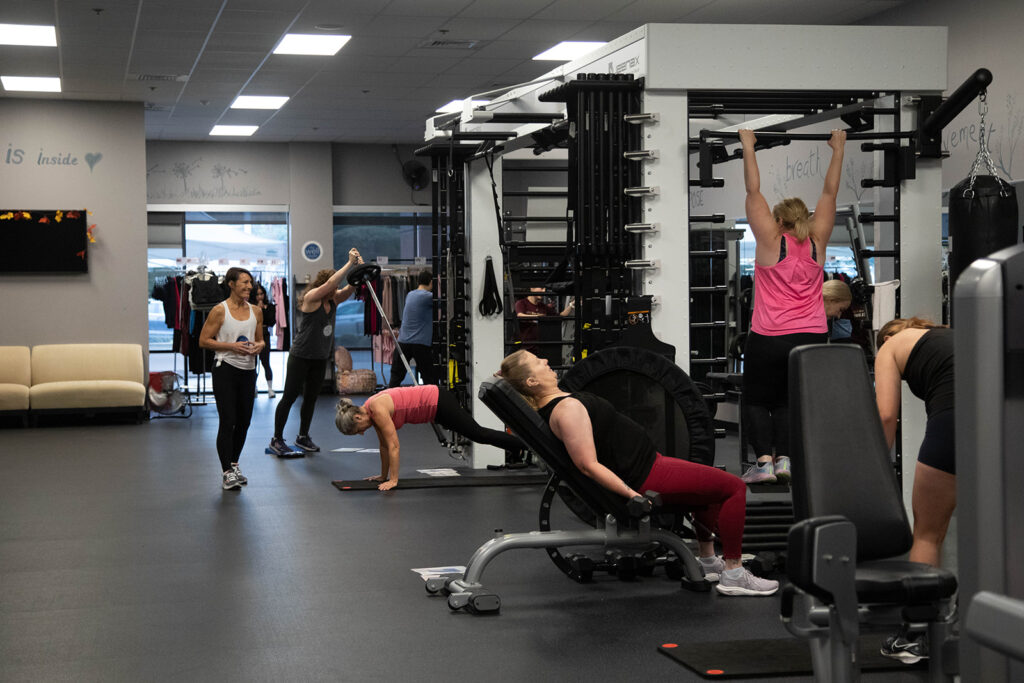
While resistance training is essential for maintaining muscle mass (preventing sarcopenia) and bone density, High-Intensity Interval Training (HIIT) has a unique impact on cellular aging. A 12-week study demonstrated that HIIT robustly improves mitochondrial dynamics. It increases mitochondrial volume and size, and more importantly, it promotes mitochondrial fusion—a process where mitochondria merge into better-connected networks to improve energy efficiency and insulin sensitivity.
The Fitness-Fatness Paradox
Research suggests that increasing cardiorespiratory fitness (VO2 max) is a stronger predictor of a long healthspan than weight loss alone. In fact, fit individuals with obesity often have lower all-cause mortality risks than unfit individuals of “normal” weight. The goal should be “social fitness” and metabolic power rather than just the number on a scale.
2. Nutritional Patterns: The Blue Zone Blueprint
The role of nutrition in healthspan has shifted from simple calorie counting to the modulation of biological aging pathways.
The Okinawan and Mediterranean Models
Two dietary patterns consistently lead the evidence for morbidity compression. The Mediterranean diet is linked to a 6–8 year delay in mortality and a significantly lower risk of frailty. It is anchored by healthy fats (olive oil), legumes, and antioxidant-rich vegetables.
The Okinawan diet is unique for its 10:1 ratio of unrefined carbohydrates (principally purple sweet potatoes) to protein. This ratio is nearly identical to what researchers have found to be the optimum for longevity in animal models. Okinawan elders represent some of the healthiest seniors on the planet, largely due to a diet that is low in caloric density but high in phytonutrients and anti-inflammatory compounds.
Autophagy: The Cellular “Spring Cleaning”
Both intermittent fasting (IF) and caloric restriction (CR) trigger autophagy, a conserved housekeeping mechanism where cells recycle exhausted materials and dispose of damaged organelles. This “self-eating” process prevents genome instability and premature aging. Modest CR—roughly 12% below maintenance—has been shown in human trials (CALERIE™) to slow the rate of biological aging without compromising quality of life.
3. Sleep: The Non-Negotiable Pillar
We spend one-third of our lives asleep, yet nearly 36% of the global population suffers from sleep loss. Sleep quality is not just about feeling rested; it is a critical determinant of healthspan.
A massive study of 328,850 participants from the UK Biobank found that individuals with healthy sleep quality had a 15% reduced risk of a “terminated healthspan”. Healthy sleep was defined by five factors:
- Duration: 7–8 hours per day.
- Chronotype: Being a “morning person”.
- Low Sleeplessness: Rarely experiencing insomnia.
- No Snoring: Absence of sleep-disordered breathing.
- No Excessive Daytime Sleepiness.
Improving sleep hygiene supports glymphatic clearance—the brain’s system for flushing out neurotoxins—which is essential for protecting against cognitive decline and dementia.
4. Psychosocial Connection: The Harvard Study Secret
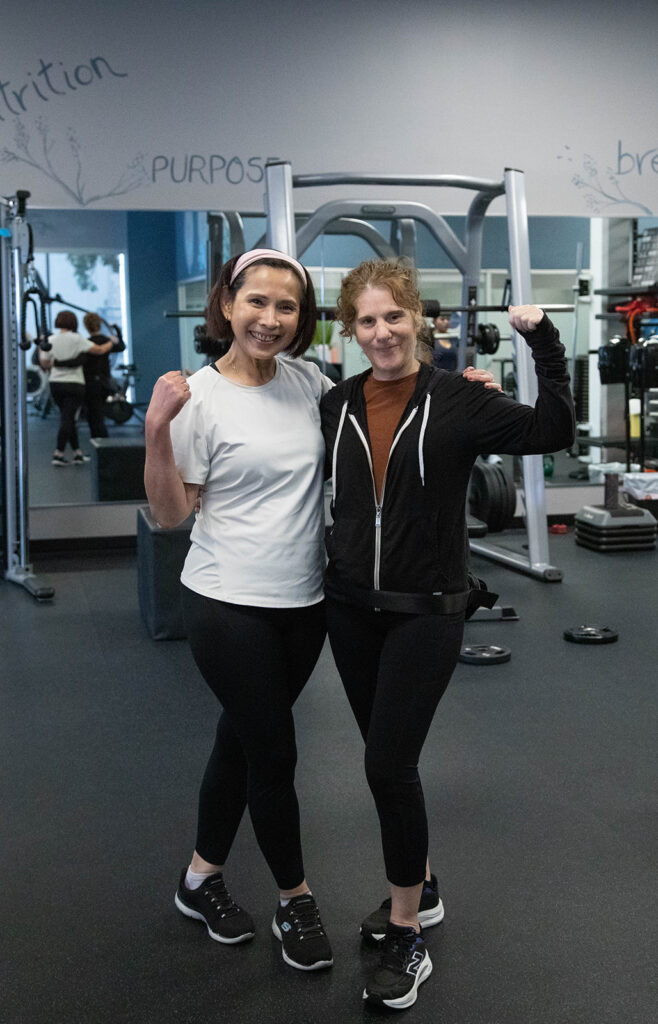
Perhaps the most overlooked behavioral pillar of healthspan is the quality of our relationships. The 85-year Harvard Study of Adult Development concluded that social connection is the single most powerful predictor of health and happiness in late life.
The Neurobiology of Connection
Warm, supportive relationships act as a biological “buffer” against the damage of chronic stress. When you feel safe and connected, your body returns to a biological baseline faster after a challenge, preventing the long-term wear and tear caused by high cortisol levels.
Conversely, loneliness is as powerful a predictor of poor health as smoking 15 cigarettes a day or being obese. It accelerates telomere shortening—the protective caps on our chromosomes—and triggers systemic inflammation. In long-lived families, social resources often cluster alongside genetic ones, creating an additive effect that can delay the onset of disease by an entire decade.
5. Measuring Success: The Epigenetic Clock
How do we know if these behaviors are working? Chronological age is a poor predictor of health; we need to measure biological age.
The latest “epigenetic clocks,” such as GrimAge2 and DunedinPACE, look at DNA methylation patterns to estimate the speed of your biological decline. Research shows that full adherence to healthy behaviors (diet, exercise, no smoking, alcohol abstinence, and weight management) can reduce biological age acceleration by up to 5.55 years.
Among all lifestyle factors, smoking cessation has the most profound impact, potentially reducing biological age by up to 10 years on the GrimAge scale. Complete alcohol abstinence is also associated with substantial reductions in age acceleration, challenging the old notion that “moderate drinking” is heart-healthy.
The Takeaway
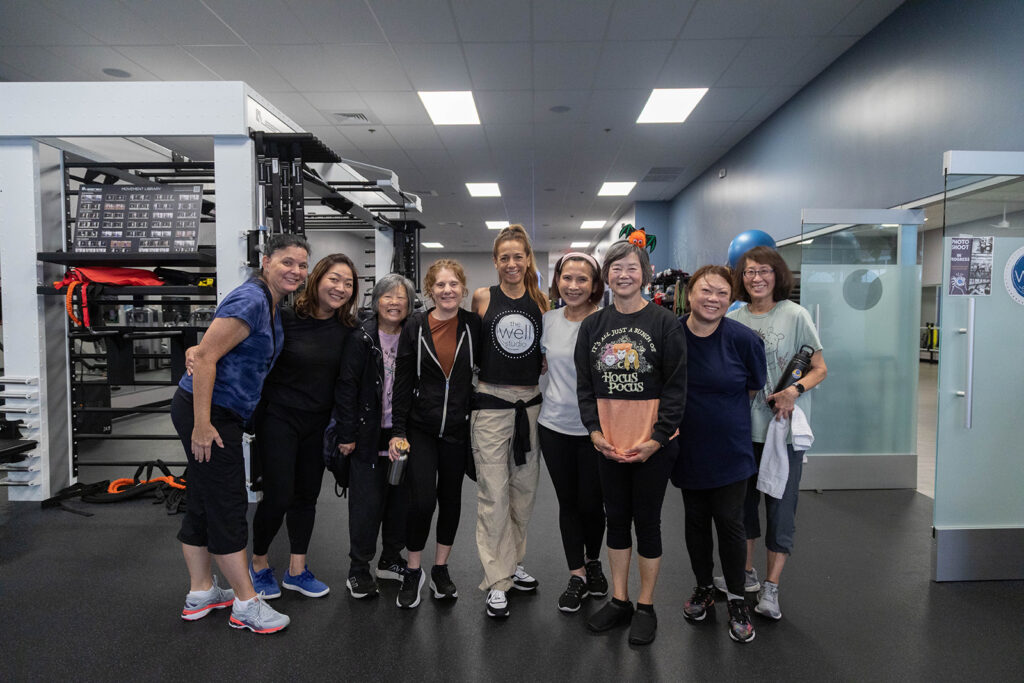
The goal of wellness shouldn't be to live forever; it should be to compress morbidity. This means living a life of vitality, purpose, and movement until the very end, rather than enduring a slow, twelve-year decline in a clinical setting. By focusing on mitochondrial fusion through strength training & HIIT, metabolic health, restorative sleep, and deep social connections, we can close the 12-year gap. It is about ensuring that the "longevity dividend" we have earned through modern medicine is actually worth living. The choices you make today won't just determine how long you live—they will determine how well you live. We intentionally developed a fitness model that provides strength training with variety, as it IS the spice of life, to bring together strength classes (large muscle groups), Pilates Reformer classes (supporting muscle groups and core) and Yoga (flexibility, core and breathwork). Add to the mix a compassionate and supportive community foundation and you now have a map for your wellness journey that can help you close your healthspan gap.
Sources
Global Health Trends & The Healthspan Gap
- Global Healthspan-Lifespan Gaps Among 183 WHO Member States:
- Healthspan-lifespan gap across world regions:
- Too well to die; too ill to live: update on the debate:
Physical Activity & Mitochondrial Health
- Increasing the Health Span: Unique Role for Exercise:
- High-intensity aerobic (HIIT) and mitochondrial dynamics:
Nutrition & Metabolic Health
- Healthy aging diets (The Okinawan Diet):
- Meet the Okinawa diet (theSkimm):
- Autophagic Response to Caloric Restriction and Fasting:
- Fasting or caloric restriction for Healthy Aging:
Sleep & Circadian Health
- Associations Between Sleep Quality and Health Span:
Stress & Psychosocial Resilience
- Chronic psychological stress and accelerated aging pathaways:
- Resilience and stress effects on epigenetic aging:
- The Good Life (Dr. Robert Waldinger/Harvard):
Biological Aging & Lifestyle Factors
- Epigenetic clocks and health behaviors:
- Impact of Healthy Lifestyle Factors on Life Expectancy:
- Ancestral longevity and healthspan extension:
- Compression of morbidity by survival curve steepening: