
With all of the hub-bub around healthcare costs, what’s covered or not covered, etc. now is the best time ever to start building your own “health plan”; one that truly focuses on your actual health and not reactive to illness or injury. How? Focus on the pillars of wellness. While different models may list varying numbers of pillars, the most common include physical, emotional, mental/intellectual, social, spiritual, environmental, and financial aspects. Our studio practices touch on many areas of each of these pillars with yoga, mindfulness, meditation, physical movement, strength training, nutrition and more. We are here to help you take control of your personal health and wellness!
We are often asked, “what’s better for me, cardio or strength training”?. Well, the proper answer is BOTH! But, there’s growing research showing why and how strength training has a greater impact on your overall health and is a better investment of your time.
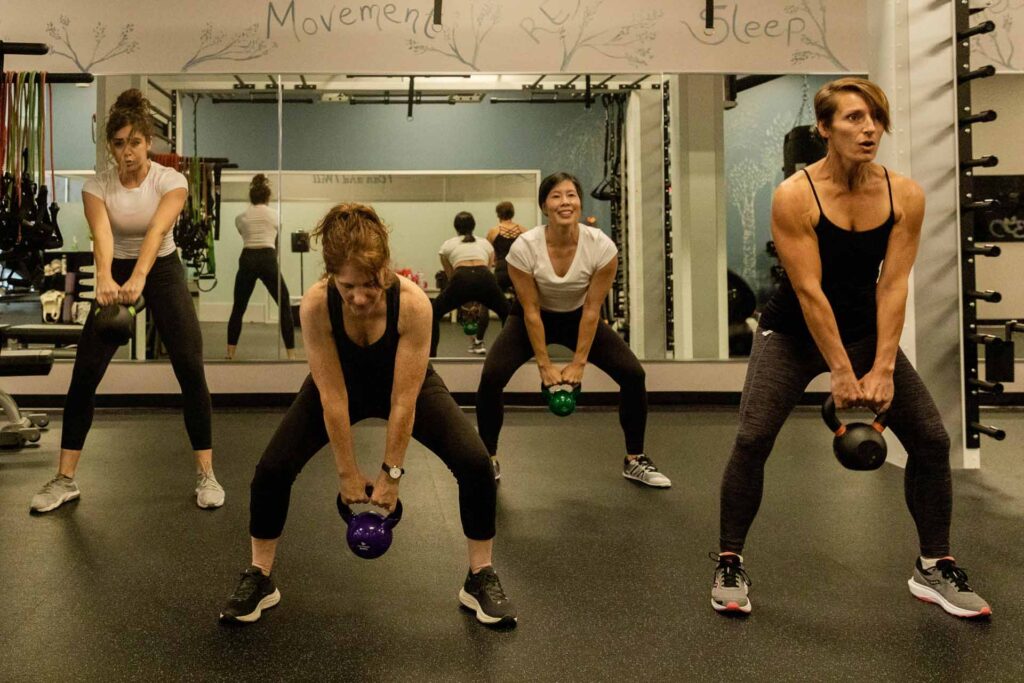
Over the past few years, a notable shift has occurred in gyms and fitness studios across the country. Rows of treadmills and ellipticals are being replaced by racks of barbells and dumbbells, and strength training classes are filling up faster than ever. This movement away from traditional cardio workouts toward strength training isn’t just a fleeting trend-it’s a response to evolving science, changing fitness goals, and a new understanding of what it means to be healthy and fit.
Below, we’ll explore why so many fitness goers are leaving cardio behind in favor of strength training, what the research says, and how this shift is reshaping our fitness landscape.
Why Fitness Enthusiasts Are Ditching Cardio for Strength Training 💪
This isn’t about any new fads or recent research per se. Instead, this comes down to an aging population paying more attention to their longevity and how to get the most out of their short time on this planet. After the COVID pandemic, more people are also choosing to take back control of their health with less trust in our healthcare systems truly caring about what’s best for them. Overall, U.S. sentiment toward healthcare systems is generally negative, with a majority expressing dissatisfaction with various aspects, including costs, access, and quality. While some still rate the quality as good or excellent, a larger portion view it as only fair or poor, and a significant number perceive the system as having major problems or being in a state of crisis.
Add to all of this our GenZer’s who show a strong interest in wellness spending, prioritize fitness, and are more likely to focus on nutritious food choices, exercise, and mental health management. Gen Z is more likely to prioritize fitness and overall health, with a significant percentage stating fitness is a “very high priority”. There’s also a growing awareness of the link between diet and mental health, with Gen Z expressing a desire for clearer information and advice on this topic. So, here we are with more data surfacing on the best exercise methods to maintain our health and wellness.
Why the Shift? Key Reasons Behind the Trend
1. Building Muscle Is a Top Priority
– Strength training helps build lean muscle mass, which not only enhances strength and appearance but also boosts metabolism, helping people burn more calories even at rest.
– Muscle is metabolically active tissue, meaning the more you have, the more energy your body burns throughout the day-even when you’re not working out.
2. Long-Term Health Benefits
– Strength training is now recognized as being just as important for heart health as aerobic exercise.
– It helps limit bone loss as we age, reducing the risk of osteoporosis and related injuries.
– Resistance training also lowers the risk of obesity and improves body composition more effectively than cardio alone.
3. Functional Fitness and Longevity
– Today’s fitness enthusiasts are prioritizing functional fitness-training that supports real-life movements and overall health, not just aesthetics.
– Strength training improves mobility, flexibility, and endurance, supporting a higher quality of life and greater independence as we age.
4. Strength Training for Mental Health
– Both cardio and strength training relieve stress and improve mood, but strength training is particularly associated with a bigger boost in self-esteem and confidence.
– It can decrease symptoms of depression and anxiety, while also fostering a strong mind-body connection.
5. Cardio’s Limitations and Changing Perceptions
– While cardio is excellent for heart and lung health, it is less effective at changing body composition or building muscle.
– Many have realized that cardio alone won’t deliver dramatic weight loss or the “toned” look they’re after; strength training is essential for those goals.
What the Science Says: Strength vs. Cardio
|
Benefit |
Cardio Training |
Strength Training |
Both Combined |
|
Heart Health |
Excellent |
Also beneficial |
Best outcomes |
|
Muscle Mass |
Minimal gain |
Significant gain |
Significant gain |
|
Fat Loss |
Burns calories during |
Burns calories after |
Best for body composition |
|
Bone Density |
Limited effect |
Improves bone health |
Improves bone health |
|
Metabolic Boost |
Temporary |
Long-lasting |
Long-lasting |
|
Mental Health |
Reduces stress |
Boosts self-esteem |
Both benefits |
|
Longevity |
Good |
Good |
Best when combined |
Research consistently shows that combining cardio and strength training yields the most comprehensive health benefits, including lower blood pressure, improved body composition, and reduced risk of chronic diseases like diabetes and heart disease. However, resistance training alone is now recognized as a powerful tool for improving cardiovascular health and reducing disease risk factors.
Cultural Shifts: From “Cardio Bunnies” to “Strength Seekers” 🏋️
The fitness industry has witnessed a transformation in its cultural icons and role models. Social media is now filled with influencers showcasing their strength, celebrating muscle gains, and sharing stories of personal empowerment through lifting. This has inspired a new generation to see strength training as not just a means to look better, but as a way to feel stronger and more capable in everyday life.
The Downsides of Too Much Cardio
Is it possible to do too much cardio? With anything in life, too much overindulgence can have negative consequences. So, yes.
– Excessive cardio can lead to muscle mass loss, which may negatively impact metabolism and overall health, especially as we age.
– Relying solely on cardio may not provide the structural strength needed for injury prevention and functional movement.
– Long-duration, high-intensity cardio can increase the risk of overuse injuries and burnout, leading many to seek more balanced, sustainable routines.
It’s not uncommon for us to see students in the studio just doing cardio. Making the time to exercise in the first place is commendable! However, to truly feel, and see, that your time invested is getting you the results you want, working in strength training is critical. If you’re not sure where to start, connect with a personal trainer to build an initial plan and get educated on the basics.
Strength Training: Not Just for the Young or Athletic
It drives me a little bit crazy hearing and seeing the fitness industry continue to promote “finding your inner athlete”, or “unlocking your full athletic potential”. Are you interested in becoming an athlete? Maybe pickleball…!? 😂 99% of the population is not seeking to become an athlete. They may want to become more athletic, but their interest remains in staying active, injury free and doing the activities they want and when they want. Let’s focus the time we spend exercising becoming stronger so we can live longer and with less dependence upon the need of that flailing healthcare system.
– Resistance training is especially critical for women going through perimenopause and menopause, helping to counteract hormonal shifts and maintain muscle and bone health.
– Older adults benefit from strength training by improving balance, reducing fall risk, and preserving independence.
What About Cardio? Does It Still Matter?
While the pendulum has swung toward strength training, cardio still plays a vital role in a well-rounded fitness routine. Moderate-intensity cardio, like walking or cycling, is excellent for heart health, stress reduction, and overall longevity. The key is balance: blending both forms of exercise provides the best results for health, fitness, and quality of life.
Consider walking in the morning to get moving, taking a strength class or working with a trainer sometime throughout your day and close out that day with another walk after dinner. The average American adult takes around 4,774 steps per day. While 10,000 steps is a common goal for health, many Americans fall short of this benchmark. Walking may just be the best form of cardio that exists as you’re (typically) not over-exerting yourself to the point of burning your hard earned muscle mass while at the same time, burning calories.
Expert Advice: How to Find the Right Balance
– Most experts recommend at least two days of strength training per week, combined with regular moderate-intensity cardio. If you can do more, do it! I often use the analogy of a car that has been sitting too much…the next time you go to use it, something is likely to now work as expected. The same goes for your fitness…keep moving and you’re more likely to be less sore and inhibit fewer injuries. How does that saying go…”an object in motion stays in motion”?
– Listen to your body and adjust your routine to include both forms of exercise, focusing on your personal goals and preferences. Know YOUR why! That’s your motivation and is the anchor that is going to keep you in place and on track with your goals. There will be times when you feel you simply don’t have enough time to work out. Your “why” is your guide to helping make choices in the moment that will get you to where you want to go.
– If you’re bored with cardio or have joint pain, replacing half your aerobic workout with strength training can deliver the same heart health benefits while improving muscle. In these instances, I strongly consider partnering with a personal trainer, and nutritionist, to avoid further injury while ramping up your activity levels and fueling your body to increase muscle mass.
Conclusion: The Future of Fitness
The move away from cardio-only routines toward strength training reflects a deeper understanding of what it means to be truly fit and healthy. Today’s fitness goers are focused on building muscle, supporting long-term health, and feeling strong-both physically and mentally. Cardio still has its place, but strength training is now the star of the show, promising a lifetime of benefits for anyone willing to pick up a weight and give it a try.
So, whether you’re a seasoned gym-goer or just starting out, don’t be afraid to step off the treadmill and into a strength class. Not sure where to start, invest in yourself by partnering with a personal trainer. A trainer is well versed in how to effectively, and safely, develop strength for people of all ages. You can get their input and a workout plan in just one session. However, spending 6-8 sessions with a trainer will ensure you’re moving your body the right ways and begin to entrench a routine that you can follow for weeks and months to come. Your body-and your future self-will thank you. 💥
If my above article and references aren’t quite enough for you to get the jist of just how valuable strength training is to your overall health and wellness long-term, here’s a few more of the MANY publications to further reinforce it!
https://www.nordictrack.com/learn/cardio-vs-strength-training-for-longevity
https://peakfitnessslo.com/why-strength-training-is-essential-for-women-in-2025/
https://www.onepeloton.com/blog/cardio-strength-training-peloton/
https://www.prevention.com/fitness/a63530811/fitness-trends-2025/
https://athletechnews.com/fitness-wellness-trends-longevity-strength-training/
https://www.ncbi.nlm.nih.gov/search/research-news/14899
https://www.henryford.com/blog/2016/01/fitness-face-off-cardio-vs-strength-training
https://www.onelifefitness.com/news/strength-training-a-top-fitness-trend-for-2025
https://www.nike.com/a/cardio-vs-strength-training
https://drsamantha.com/why-strength-training-is-better-than-cardio/
https://hydrow.com/blog/hydrow-athletes-share-15-fitness-trends-to-keep-an-eye-on-in-2025/
https://www.reddit.com/r/running/comments/tayqg3/why_does_the_fitness_industry_hate_cardiorunning/
https://www.onepeloton.com/en-CA/blog/cardio-strength-training-peloton/
https://www.piedmont.org/living-real-change/should-you-do-strength-training-or-cardio-first
https://www.nhlbi.nih.gov/news/2024/cardio-plus-strength-training-lowers-cardiovascular-disease-risk-profile-overweight-or
https://www.rwjbh.org/blog/2023/january/the-great-debate-cardio-vs-strength-training/
https://my.clevelandclinic.org/podcasts/health-essentials/fitness-faceoff-cardio-vs-strength-training
https://www.reddit.com/r/PetPeeves/comments/1dl65ty/fitness_experts_who_demonize_cardio_and_say_that/