

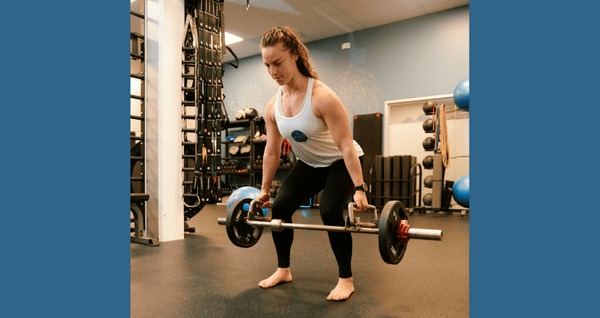
Credit to the Team @ Truemed for the inspiration behind this post! It was their weekly newsletter that got me digging deeper into this topic.
Strength training is often associated with bulging biceps and bodybuilders, but its most powerful benefits go far beyond muscle size. Modern research reveals that resistance exercise is one of the smartest, most effective strategies for long-term health—especially when the goal is to boost metabolism, preserve bone density, and protect against chronic disease. In this comprehensive guide, we’ll explore the science behind these benefits, outline three proven principles for optimizing your strength training (without bulking up), and provide actionable recommendations you can implement today.
As documented in this Harvard article, strength training is one of these most impactful contributors to longevity and an active lifestyle. The evidence supporting the MANY benefits of strength training is not new, but has significantly mounted over recent years. After reading through my summary, head down to the additional references to see just how much content exists out there to support this trend. Well, is it a trend? If so, it shouldn’t be! Instead, it should be a staple of preventative health care. Movement and maintaining muscle mass are the best medicine in existence.
So, why is strength training essential for lifelong health?
Metabolic Boost
Strength training increases your resting metabolic rate (RMR)—the number of calories your body burns at rest—by building lean muscle mass. Muscle tissue is metabolically active, meaning it burns more calories than fat even when you’re not moving. This metabolic boost can help with weight management, improve body composition, and reduce the risk of metabolic diseases as you age.
Bone Density and Osteoporosis Prevention
Osteoporosis, a condition characterized by weak and brittle bones, is a major health concern—especially for women after menopause. Resistance training applies mechanical stress to bones, stimulating bone-forming cells (osteoblasts) and increasing bone mineral density (BMD). Studies show that consistent resistance exercise can significantly improve BMD, particularly in the lumbar spine and femur, and help prevent the progression of osteoporosis.
Longevity and Disease Prevention
A growing body of research indicates that people who engage in strength training two to three times per week have a lower risk of premature death and chronic diseases. Women, in particular, see a dramatic reduction in cardiovascular mortality—up to 30% lower risk—when they regularly perform muscle-strengthening exercises.
Mood, Balance, and Joint Health
Beyond the physical, strength training supports mental health, improves balance and coordination, and protects joints. These benefits become increasingly important as we age, helping to maintain independence and quality of life.
The Science: How Strength Training Works for Metabolism and Bone Health
Metabolism: More Muscle, More Calories Burned
– Lean Muscle and RMR: Muscle is metabolically active tissue. The more you have, the higher your resting metabolic rate. This means you burn more calories throughout the day, even when you’re not exercising.
– Post-Exercise Burn: Resistance training creates a phenomenon known as excess post-exercise oxygen consumption (EPOC), where your body continues to burn calories at an elevated rate for hours after your workout.
Bone Health: The Power of Mechanical Loading
– Bone Remodeling: When bones are subjected to the stress of weightlifting, the body breaks down old bone tissue and builds new, denser bone. This process, called bone remodeling, is crucial for maintaining strong, fracture-resistant bones.
– Evidence for Women: Studies show that postmenopausal women who perform moderate to high-load resistance exercises see significant improvements in bone mineral density, particularly in the spine and hips—areas most vulnerable to osteoporotic fractures.
Longevity: Beyond the Muscles
– Reduced Mortality: Large-scale studies of hundreds of thousands of adults show that regular strength training is associated with a 20% lower risk of premature death. For women, the reduction in cardiovascular mortality is even more pronounced.
– Whole-Body Benefits: Strength training improves insulin sensitivity, lowers inflammation, and supports healthy aging at the cellular level.
Three Proven Principles to Optimize Strength Training—Without “Bulking Up”
You don’t need to lift the heaviest weights or aim for a bodybuilder’s physique to reap the rewards. Here’s how to design a program that maximizes health benefits, supports metabolism and bone density, and keeps you lean and functional.
1. Focus on Reps, Not Max Weight
The Science: Research indicates that performing 12–15 repetitions per set with moderate loads is highly effective for stimulating muscle protein synthesis and enhancing mitochondrial function—key drivers of lean, functional muscle and metabolic health.
– Muscle Protein Synthesis (MPS): Multiple sets in the 8–15 rep range, performed to near-fatigue, are optimal for muscle growth and metabolic adaptation. Contrary to popular belief, you don’t need to lift extremely heavy weights; moderate loads performed with good form and sufficient volume are just as effective.
– Mitochondrial Benefits: Both high-load and low-load resistance exercise (when performed to fatigue) can enhance mitochondrial function, which is essential for energy production and overall metabolic health.
Actionable Recommendation
– Choose a weight that allows you to complete 12–15 reps per set with good form. The last few reps should feel challenging but doable.
– Perform 2–4 sets per major muscle group, 2–3 times per week.
– Focus on compound movements (squats, lunges, push-ups, rows) that engage multiple muscle groups.
2. Pair Strength with Cardio
The Science: Combining resistance training with aerobic exercise (cardio) creates a synergistic effect. Cardio enhances fat oxidation, raises VO₂ max (a measure of cardiovascular fitness), and supports heart health. Together, they deliver a balanced, whole-body training effect that maximizes fat loss and cardiovascular resilience.
– Fat Oxidation and VO₂ max: Cardio sessions (such as brisk walking, cycling, or swimming) increase your body’s ability to use fat as fuel and improve heart and lung capacity.
– Balanced Training: A mix of strength and cardio reduces the risk of overuse injuries, keeps workouts engaging, and supports overall health.
Actionable Recommendation
– Aim for 2–3 strength training sessions and 2–3 cardio sessions each week.
– Cardio can be moderate intensity (30–45 minutes) or high-intensity intervals (20–30 minutes), depending on your fitness level.
– Consider combining both in a single workout (e.g., circuit training) for time efficiency.
3. Fuel Smarter: Protein and Complex Carbs
The Science: Nutrition is the foundation for muscle repair, energy, and metabolic health. Adequate protein intake is essential for muscle protein synthesis and recovery, while complex carbohydrates provide sustained energy and stabilize blood sugar.
– Protein: Aim for 1.6–2.2 grams of protein per kilogram, or ~.4 grams per pound, of body weight daily. This range supports muscle repair, growth, and maintenance—especially important as you age or increase activity.
– Complex Carbohydrates: Foods like quinoa, sweet potatoes, and whole grains provide steady energy, fiber, and micronutrients that support overall health and workout performance.
Actionable Recommendation
– Calculate your daily protein needs based on your weight (e.g., a 70 kg, roughly 154 lb, person needs 112–154 grams of protein per day).
– Include a source of lean protein (chicken, fish, tofu, Greek yogurt) at each meal.
– Prioritize complex carbs and fiber-rich vegetables for sustained energy.
– Stay hydrated—muscle and bone health depend on adequate water intake.
Building Your Strength Training Plan: Step-by-Step
Step 1: Set Clear Goals
Are you training for bone health, metabolic boost, or overall longevity? Clarifying your purpose will help you stay motivated and consistent.
Step 2: Choose the Right Exercises
– Prioritize compound, weight-bearing movements: squats, deadlifts, lunges, push-ups, rows, and overhead presses.
– Add balance and flexibility work (yoga, tai chi, stretching) to reduce injury risk and support mobility.
Step 3: Progress Gradually
– Start with bodyweight or light weights, focusing on form.
– Increase resistance or reps as you get stronger, but avoid lifting weights that compromise your technique.
Step 4: Incorporate Cardio
– Alternate strength and cardio days, or combine them in circuit-style workouts.
Step 5: Monitor Recovery
– Allow at least one day of rest between strength sessions for the same muscle group.
– Prioritize sleep and stress management for optimal recovery.
Special Considerations for Women and Older Adults
– Women: Postmenopausal women are at higher risk for osteoporosis. Regular resistance training is one of the most effective interventions for maintaining bone density and reducing fracture risk.
– Older Adults: Strength training improves balance, coordination, and joint health, reducing the risk of falls and maintaining independence.
Safety Tip: If you’re new to strength training or have health concerns, consult a fitness professional or physical therapist for personalized guidance and supervision.
Frequently Asked Questions
Will I get bulky from strength training?
No. Building large amounts of muscle requires specific, high-volume training and a calorie surplus. Most people, especially women, will develop lean, toned muscle that supports metabolism and bone health without significant bulk.
How soon will I see results?
Improvements in strength, energy, and mood can be noticed within a few weeks. Bone density changes take longer—typically several months to a year—but the benefits are cumulative and long-lasting.
Can I do strength training at home?
Absolutely. Bodyweight exercises, resistance bands, and simple dumbbells are effective tools for building strength and supporting bone health. For recommendations and a starting point, consult with a trainer to create a simple, easy to follow plan that will work for you and meet you where you are on your fitness journey.
Action Plan: Start Your Strength Training Journey Today
1. Schedule 2–3 strength training sessions per week. Get it on your calendar to help with staying committed to it!
2. Pair with 2–3 cardio sessions for balanced fitness.
3. Aim for 12–15 reps per set with moderate weights, focusing on form.
4. Fuel your body with 1.6–2.2 g protein/kg body weight and complex carbs.
5. Track your progress and celebrate small wins.
Final Thought
Strength training isn’t just about building muscle—it’s a science-backed strategy for a healthier, longer, and more vibrant life. Whether you’re in your 20s or your 70s, it’s never too late to start. Your bones, metabolism, and future self will thank you.
Additional, Noteworthy References
When digging in on this topic, I came across hundreds, if not thousands, of articles and perspectives supporting the value of strength training. Some are like me…just a guy with a passion and a point of view; while others are scientific in nature and clearly connect the dots between strength training, muscle mass, health and longevity. I’m sharing some of my favorites here for you to dig deeper if you’d like.
- Combining Cardio and Strength Training for Better Results | Blog https://carolbike.com/science/why-you-should-combine-cardio-and-strength-training-for-better-results/
- 5 Facts About Protein and Post Workout Recovery | Clif Bar | Journal https://www.clifbar.com/stories/5-facts-about-protein-recovery-after-workout
- Complex Carbohydrates for Health and Performance – GSN https://www.mygsn.co.uk/articles/complex-carbohydrates-health-performance/
- 14 Benefits of Strength Training, Backed by Science – Healthline https://www.healthline.com/health/fitness/benefits-of-strength-training
- Comparative efficacy different resistance training protocols on bone … https://www.frontiersin.org/journals/physiology/articles/10.3389/fphys.2023.1105303/full
- 5 Benefits of Mixing Strength, Cardio, and Stretching https://www.texasfamilyfitness.com/blog/5-benefits-of-mixing-strength-cardio-and-stretching
- How Strength Training Improves Metabolic Health – Signos https://www.signos.com/blog/metabolic-health-strength-training
- Strength training: Get stronger, leaner, healthier – Mayo Clinic https://www.mayoclinic.org/healthy-lifestyle/fitness/in-depth/strength-training/art-20046670
- Resistance training is medicine: effects of strength training on health https://pubmed.ncbi.nlm.nih.gov/22777332/
- Loading Recommendations for Muscle Strength, Hypertrophy, and … https://pmc.ncbi.nlm.nih.gov/articles/PMC7927075/
- How Many Sets and Reps to Increase Muscle Mass? – Naked Nutrition https://nakednutrition.com/blogs/fitness/how-many-exercises-per-muscle-group
- Muscle protein synthesis in response to nutrition and exercise – PMC https://pmc.ncbi.nlm.nih.gov/articles/PMC3381813/
- Benefits of Combining Cardio and Strength Training – 24/7 Fitness https://247fitness.co/blog/benefits-of-combining-cardio-and-strength-training
- The Advantages of Combining Cardio and Strength Training for … https://healthiapp.com/blog/the-advantages-of-combining-cardio-and-strength-training-for-optimal-weight-loss-results
- Combining Strength Training and Cardio May Help Longevity – Health https://www.health.com/combining-strength-training-cardio-longevity-6748178
- Cardio and Strength Training Benefits | Right as Rain by UW Medicine https://rightasrain.uwmedicine.org/body/exercise/strength-and-cardio
- Set Volume for Muscle Size: The Ultimate Evidence Based Bible https://weightology.net/the-members-area/evidence-based-guides/set-volume-for-muscle-size-the-ultimate-evidence-based-bible/
- How is 12 reps better for size than 15 reps? : r/Fitness – Reddit https://www.reddit.com/r/Fitness/comments/7gtkot/how_is_12_reps_better_for_size_than_15_reps/
- Rep Range For Hypertrophy | Jim Stoppani https://www.jimstoppani.com/training/rep-range/
- How to Pick Between Lifting With More Weight or More Reps https://www.menshealth.com/fitness/a45207418/more-weight-or-more-reps/
- Exercise improves fat metabolism in muscle but does not increase … https://pmc.ncbi.nlm.nih.gov/articles/PMC2885974/
- Strength training effects on aerobic power and short-term endurance https://pubmed.ncbi.nlm.nih.gov/7453510/