
Summary
The holidays can be both joyful and physiologically stressful—your body feels the strain of disrupted sleep, travel, and social intensity even when your mind is having fun. This blog breaks down why your nervous system works overtime during the festive season and offers simple, science-backed ways to stay grounded, balanced, and present through it all.
The Physiology of Holiday Stress (and How to Protect Your Energy)
We look forward to the holidays all year—and for good reason! But they’re also one of the most physiologically stressful times of the year. The fun, the chaos, and the constant togetherness all add to the magic, but they also increase the overall demand on your system.
There’s travel. Disrupted routines. Social expectations. Big meals. Late nights. And yes, family dynamics. The thing is, your nervous system doesn’t sort these experiences into “good” or “bad.” It simply reacts to the total load.
Why the Holidays Hit Your Body Harder
Research shows that cortisol, the body’s main stress hormone, rises during periods of social stress and disrupted sleep (Dickerson & Kemeny, 2004). Studies also find that changes in routine, increased food intake, and reduced rest can impair glucose regulation and immune response (Chanda et al., 2019; Spiegel et al., 1999).
In other words, even joyful gatherings can strain the system when they pile on top of travel, indulgence, and routine changes. Physiologically, this often means:
– Higher cortisol from social pressure and unpredictability
– Fragmented sleep from travel, late nights, or unfamiliar environments
– Weaker metabolic regulation when eating patterns swing widely
– Reduced recovery time as downtime disappears
This doesn’t mean you need to skip out on fun or hold yourself to a rigid plan. It simply means your body might need a little extra care in the middle of all the celebration.
Practical Ways to Support Your Nervous System
Many of us fall into a “holiday now, reset later” mindset, which can leave the body taxed and the mind drained. Others hold tightly to routines, missing out on the relaxation and spontaneity that make this season special.
As with most things in wellness, balance wins. Keep a few grounding habits while still leaving space for the beautiful messiness that makes the holidays memorable.
Try these small, supportive practices:
– Set boundaries before the day starts. Even ten minutes of quiet helps calm your cortisol response.
– Anchor one sleep habit, like waking up around the same time each morning.
– Stay consistent with your workouts to keep your cortisol and resting heart rate consistent.
– Walk after meals to support healthy glucose levels and ease stress hormones.
– Take micro-breaks during gatherings to let your system reset.
– Eat regular meals instead of “saving up”—steady blood sugar keeps energy and mood balanced.
And when you feel the stress in the moment…BREATH! Try to find a quiet space and take a breathing break for three to five minutes. Consider box breathing with four simple steps: inhaling, holding your breath, exhaling, and holding again, each for an equal count, typically four seconds.
A Healthier Holiday Mindset
Instead of viewing the season as something to endure (or recover from), reframe the goal. Support your system so it can hold both the joy and the chaos without tipping into overload.
Movement, exercise, nourishment, rest, and boundaries signal safety to your nervous system. A few mindful choices can make your holidays feel not just festive—but restorative.
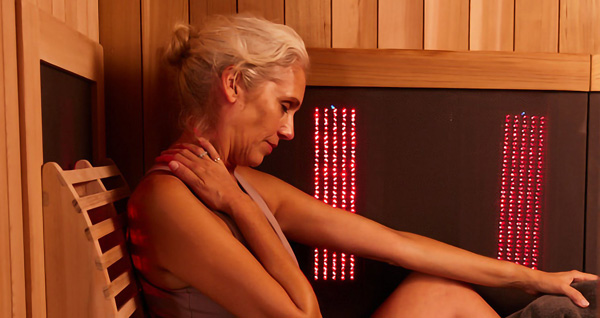
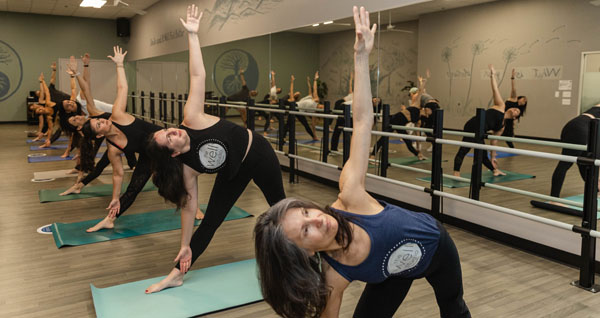
At The Well Studio, we meet you where you are and put all of our energy into building you up: making you stronger, more resilient and more confident! Movement truly is medicine and breathwork is the calibration method most impactful on our body. Yoga+Pilates+Strength Training are the combination we strongly believe in for keeping you engaged, motivated and building the muscle you need for a long, active life. And, we have a host of tools to help with your recovery: infrared sauna, infrared Biomat, red light therapy, sound therapy…all in one studio! If you haven’t been into our studio (yet!), come see us and get a feel for what a supportive, compassionate team and community should feel like.
References
– Chanda, M. L., Levitin, D. J., & Lavretsky, H. (2019). The neurochemistry of music and social bonding: Implications for stress and immune function. *Frontiers in Psychology*, 10, 611.
– Dickerson, S. S., & Kemeny, M. E. (2004). Acute stressors and cortisol responses: A theoretical integration and synthesis of laboratory research. *Psychological Bulletin*, 130(3), 355–391.
– Spiegel, K., Leproult, R., & Van Cauter, E. (1999). Impact of sleep debt on metabolic and endocrine function. *The Lancet*, 354(9188), 1435–1439.